
Last updated October 30, 2026
 Wrought iron
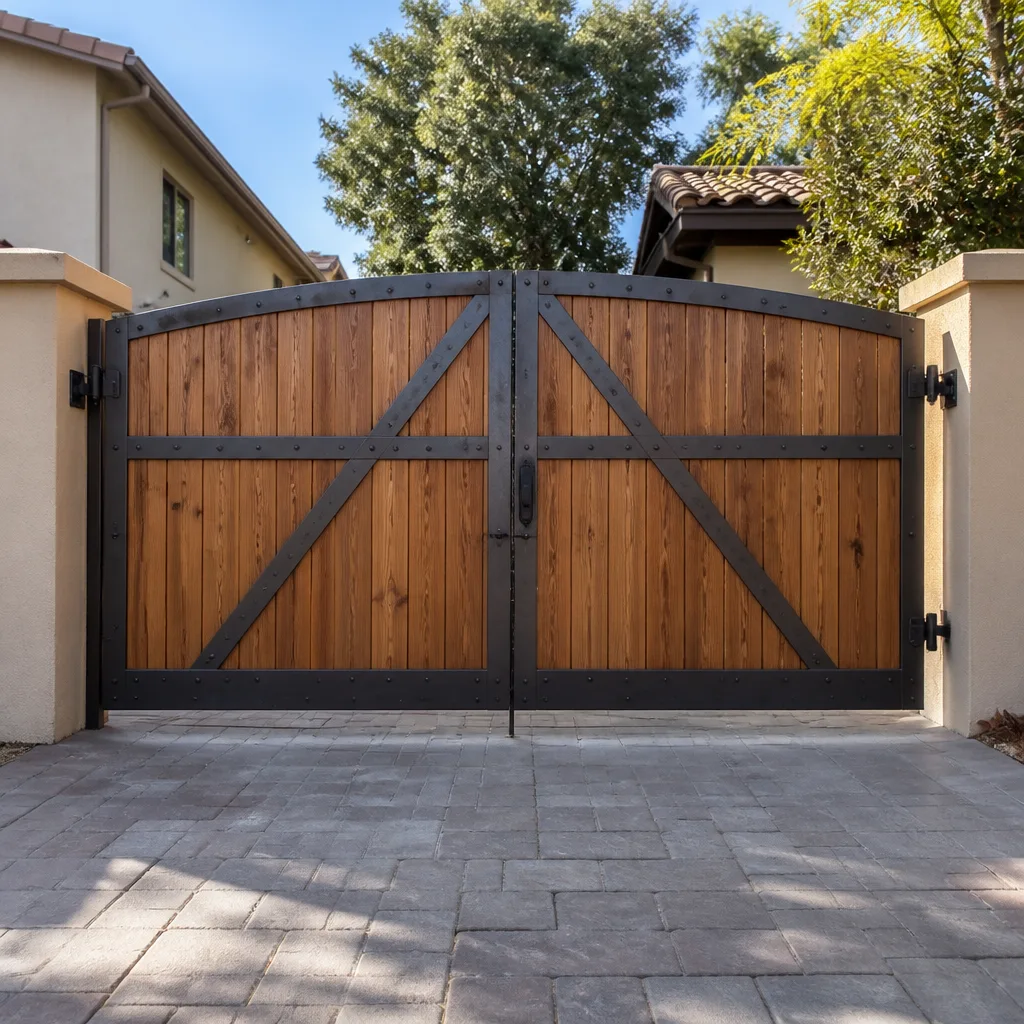 Wood & steel frame
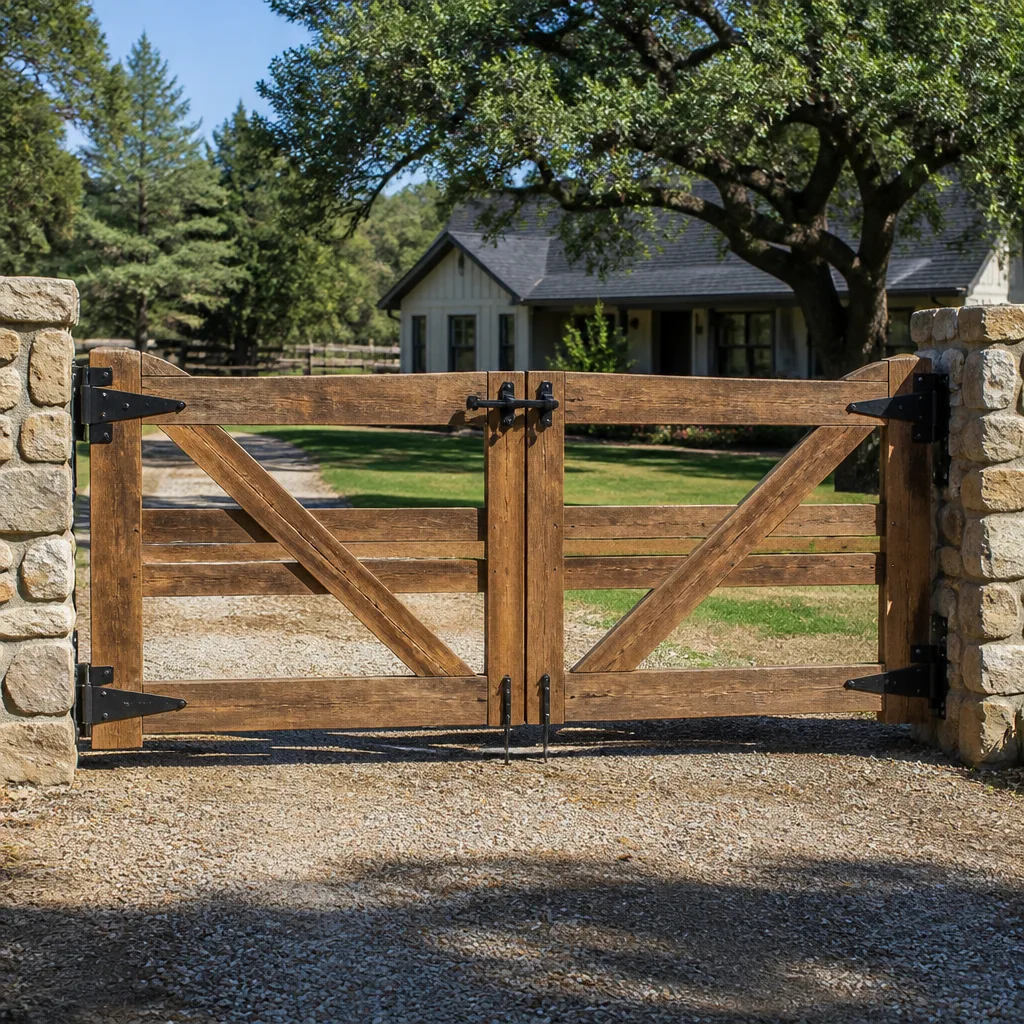 Farm & ranch
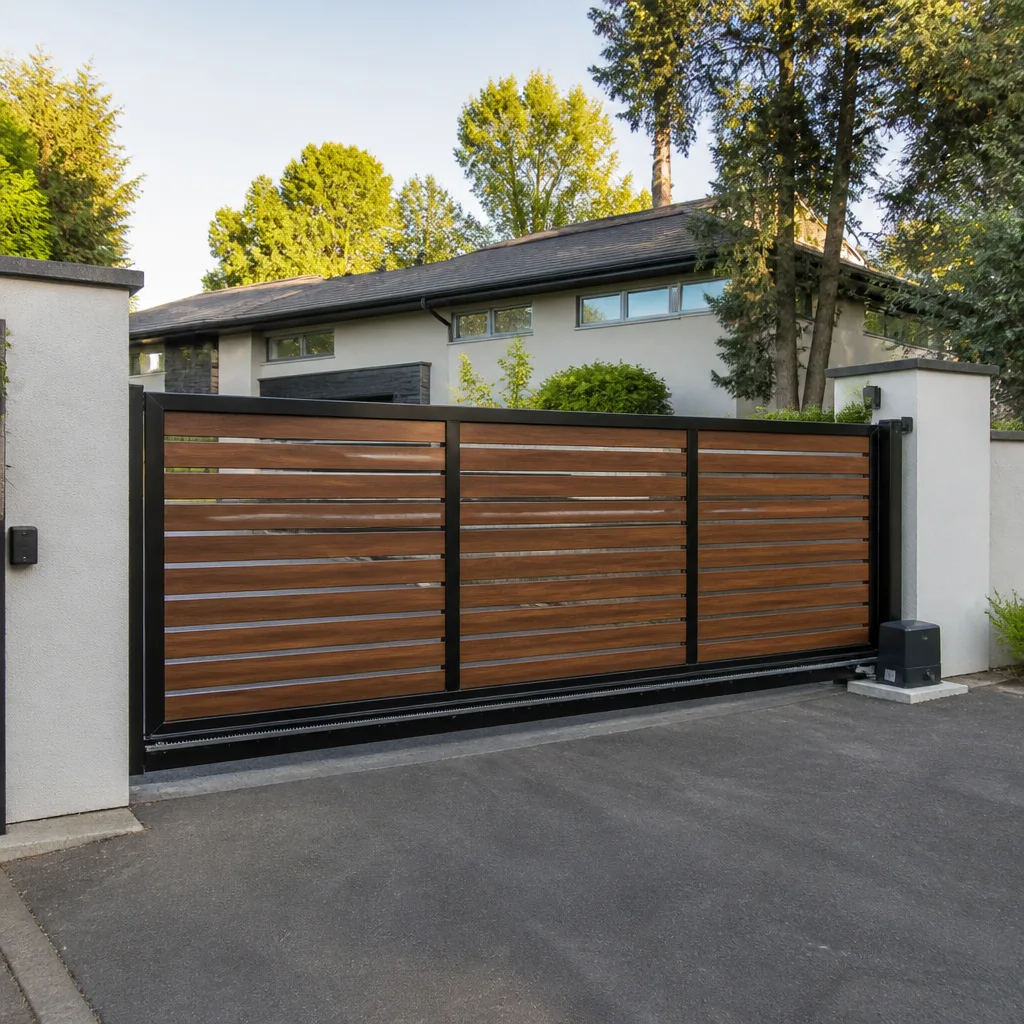 Sliding driveway gates
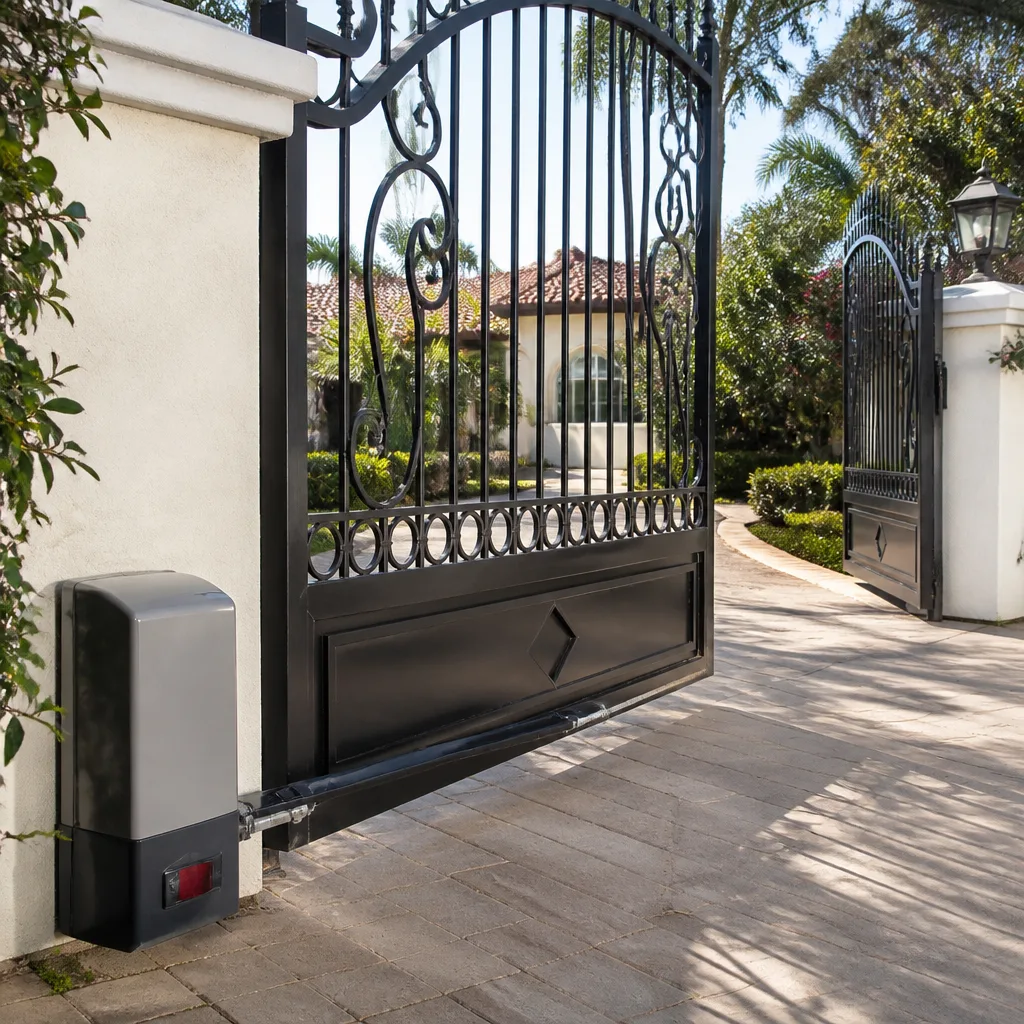 LiftMaster operators
Free on-site gate assessment - hinges, posts, and your LiftMaster or Nice gate operator checked before anything is quoted
The assessment is free and the quote is the invoice.
Get your free estimateGate Repair Maintenance Checklist for San Diego Homeowners
A gate technician can tell which San Diego zip code a gate came from just by looking at the corrosion pattern. Gates in Coronado and La Jolla show the white, crusty bloom of salt air. Gates in Rancho Bernardo and Escondido carry a fine, red-brown dust packed into every hinge and sensor housing. And gates in Point Loma often show both. That same pattern tells you exactly which maintenance tasks actually matter for your property, because a checklist that ignores your environment is just busywork. This guide walks through the specific checks that keep San Diego gates working, organized by the stressors that actually exist here rather than the generic advice that applies everywhere and nowhere at once. For additional help, see our Gate Repair Troubleshooting: Common Problems and How to Fix Them.
Styles & brands we work with
Quick Answer
A San Diego gate maintenance routine should include monthly hinge and sensor checks, quarterly lubrication with the right products, and seasonal adjustments for coastal salt spray or inland dust. Most homeowners can handle the basic checks in under 20 minutes without tools, but electrical components, spring tension, and motor diagnostics should always be left to a professional. For gates within five miles of the coast, plan to double the frequency of corrosion-related maintenance compared to inland properties.
Table of Contents
- Why San Diego’s Climate Creates Two Different Maintenance Playbooks
- The Six Mechanical Checkpoints Every Gate Owner Can Do in Under 20 Minutes
- How to Inspect and Clean Photocell Sensors and Safety Loops
- Lubrication: Which Products to Use on Which Materials
- Your Monthly, Quarterly, and Annual Task Schedule
- Brand-Specific Maintenance Notes: Linear, Viking, Ghost Controls, and DoorKing
- Common Mistakes to Avoid
- When to Call a Professional
- Frequently Asked Questions
- The Bottom Line
Why San Diego’s Climate Creates Two Different Maintenance Playbooks
San Diego is not one climate. It is at least two, and your gate knows which one it lives in. The marine layer that rolls in most mornings from June through October delivers a fine, salty mist that settles on metal surfaces and never fully dries. Coastal properties from Ocean Beach up through Del Mar and Carlsbad deal with this every single day, even when it is not foggy enough to notice. Salt is hygroscopic, which means it pulls moisture out of the air and holds it against the metal. That is why a gate two blocks from the beach can show rust in eighteen months while the same gate in Mira Mesa looks fine at five years.
Inland San Diego has the opposite problem. The dry heat east of Interstate 15, through Poway, Santee, Lakeside, and Alpine, bakes lubricants out of hinges and turns fine dust into an abrasive paste. That dust gets into chain drives, rollers, and especially into control boards and photocell lenses. We have opened control boxes in East County that looked like someone had poured a teaspoon of red powder inside. The components were buried in it.
The practical takeaway is simple: if you live within five miles of the Pacific, your maintenance calendar should double the frequency of corrosion-related tasks. If you live inland, your priority is cleaning and keeping moving parts lubricated. Most San Diego homeowners need a little of both, but the weighting matters.
The Six Mechanical Checkpoints Every Gate Owner Can Do in Under 20 Minutes
These six checks require no tools and no special knowledge. They are the equivalent of checking your tire pressure and oil level: not a substitute for professional service, but enough to catch most problems before they become expensive. Do them in order, once a month.
- Hinge play test. With the gate fully closed, grab the top corner of the leaf and try to lift it. Any movement beyond a fraction of an inch means the hinge bolts, bushings, or the post itself are wearing. Coastal properties develop this faster because corrosion eats the hinge pin from the inside out.
- Track and roller inspection (for slide gates). Walk the full length of the track. Look for debris, rust flakes, or a build-up of dust that has turned into a crust. Run your fingers along the top of the rail. Anything rough needs cleaning and lubrication, which we cover below.
- Gate alignment check. Close the gate and stand at the latch post. The gap between the gate and the latch should be even from top to bottom. An uneven gap means sagging, and sagging gates put strain on hinges, wheels, and electric operators until something fails.
- Operator mounting bolts. Look at the bolt heads where the operator arm, piston, or chain drive connects to the gate and the mounting post. Rust trails or bare metal around the bolts indicate movement. Loose mounting bolts are the most common cause of a gate that works intermittently.
- Ground clearance sweep. Walk the gate’s full swing or slide path. Over a season, landscape mulch, gravel, bark, and even a new planter can intrude into the path. An obstruction at the bottom edge of a gate can trip safety sensors, overload the motor, or scrape paint off and expose bare metal to San Diego’s salt air.
- Manual operation feel. If your gate has a manual release or a disengage lever, use it. Open and close the gate by hand. It should move smoothly, with no binding, no grinding, and no sudden resistance. If an electric gate is hard to move by hand, the motor has been compensating for a mechanical problem, and the motor will fail early. A manual gate that is hard to move is telling you it needs service.
These six checks take about fifteen minutes on a single swing gate and twenty minutes on a sliding gate. Add them to a calendar reminder for the first weekend of each month. The habit is the maintenance plan.
How to Inspect and Clean Photocell Sensors and Safety Loops
Photocell sensors are the small, paired devices mounted near the ground on either side of a driveway gate opening. One sends an invisible infrared beam; the other receives it. When a person, car, or animal breaks the beam while the gate is closing, the gate reverses. This is a safety device, not a convenience feature, and most “my gate keeps reversing for no reason” calls we get in San Diego trace back to a dirty or misaligned sensor.
The photo eye lenses in coastal San Diego accumulate a film of salt and marine-layer grime. Inland, they get coated with fine dust. Either way, the beam weakens until the gate’s logic board interprets the weak signal as an obstruction and refuses to close.
How to clean photocell sensors
- Locate both sensor housings, one on each side of the gate opening, typically 12 to 18 inches above the ground.
- Wipe the lens on each housing with a clean, dry microfiber cloth. For stubborn buildup, dampen the cloth with warm water only. Do not use glass cleaner, which can leave a residue, and do not use anything abrasive.
- Check that both housings are still pointing directly at each other. A loose mount, a bumped post, or a passing lawn mower can rotate a sensor a few degrees. That is enough to degrade the beam.
- Look for anything new in the beam’s path, including plant growth, stacked firewood, or a parked car consistently breaking the beam at night.
Safety loops, also called induction loops or vehicle detection loops, are wires buried in the driveway surface that detect the metal mass of a vehicle and hold the gate open or trigger it to open. You cannot inspect the buried wire itself, but you can inspect the visible clues. Cracks in the driveway asphalt or concrete running in a rectangular or diamond pattern are a sign a loop may have been compromised by ground movement. If your gate opens for the mail truck but not for a motorcycle or a small car, the loop’s sensitivity setting may need adjusting, which is a technician task, not an owner task.
When photocell sensors fail outright, the gate will typically refuse to close at all unless you hold the override button. That is the system working as designed. The fix is usually cleaning and alignment, not replacement. If cleaning does not resolve the issue within a day or two, the sensor itself or its wiring has failed, and it is time to call a gate specialist.
Lubrication: Which Products to Use on Which Materials
Almost every gate owner we meet has a can of WD-40 on a garage shelf, and almost every gate owner has used it on their gate. That is the wrong product for nearly every gate component. WD-40 is a water-displacing solvent, not a lubricant. It works well for freeing a rusted bolt or cleaning grime off a surface, but it evaporates quickly and leaves moving parts with less lubrication than they had before. A week after a WD-40 application, your hinges are drier and noisier.
The right lubricant depends on the material and the load.
For metal hinges and pivot points
Use a white lithium grease in a spray can. It clings to metal, resists water, and handles the pressure of gate hinges. Apply a short burst to the top of each hinge pin and to the pivot point on the bottom hinge. Wipe away any excess with a rag. Excess lubricant is a dust magnet, and in inland San Diego, dust plus grease equals the abrasive paste that wears hinges out faster than no lubrication at all.
For chains and sprockets on slide gate operators
Use a dedicated chain lubricant formulated for the environment. A dry chain lube works well inland because it does not attract dust the way a wet lube does. Coastal properties can use a heavier, moisture-resistant chain oil, but still need to wipe the chain down monthly to remove salt deposits before re-lubricating.
For wheels and roller bearings
Sealed bearings do not need lubrication. If your gate wheels have grease fittings, use a small amount of multi-purpose grease in a grease gun. If the wheels are unsealed nylon or steel on a steel track, a light spray of white lithium grease on the axle, not the wheel surface, is enough. Do not lubricate the track itself; it makes the surface greasy and attracts debris.
For keypads, locks, and latch mechanisms
Use a dry graphite powder. Graphite lubricates without attracting dust and does not gum up in San Diego heat the way oil-based products can. A small puff into the keyhole or latch mechanism, worked back and forth a few times, is all it needs.
Skip the penetrating oil on anything that moves. Skip the cooking spray, the motor oil, and the silicone spray. The right four products, lithium grease, chain lube, general-purpose grease, and graphite powder, cover every lubrication point on a residential gate.
Your Monthly, Quarterly, and Annual Task Schedule
Maintenance works best when it is a calendar, not a memory. Here is the schedule we recommend for San Diego homeowners, split between what an owner can do and what a technician should do. Print this section, post it near the gate control box, and cross items off.
Monthly (owner tasks, 15 to 20 minutes)
- Run the six mechanical checkpoints described above: hinge play, track inspection, alignment, mounting bolts, ground clearance, and manual operation.
- Wipe photocell sensor lenses with a dry microfiber cloth.
- Check the gate’s full travel path for debris, new plant growth, or dropped objects.
- Listen to the gate operate once through a full open and close cycle. New noises are diagnostic clues, and they do not get better with time.
- For coastal properties: wipe down visible metal surfaces near the bottom of the gate where salt spray accumulates. A dry rag is enough.
Quarterly (owner tasks, 30 to 45 minutes)
- Apply white lithium grease to hinge pins and pivot points. Coastal properties: do this every six weeks instead.
- Clean the external surfaces of the operator housing and check for rust, especially at bolt heads and weld points.
- Inspect the chain or belt on slide gate operators for rust, slack, or dry links. Apply chain lube as needed.
- Test the safety reversal: place a cardboard box or a rolled trash can in the gate’s closing path and confirm the gate reverses. This is a test of both the photocells or safety edges and the operator’s logic.
- Inspect all wiring where it enters the ground, posts, or conduits for cracked insulation or exposed wire. Coastal salt air attacks electrical connections quickly.
Annual and semi-annual (technician tasks, 1 to 2 hours)
- Check and adjust gate spring tension on manual gates. A gate that slams shut or drifts open has a spring problem, and spring work is not a homeowner task.
- Open the operator housing and inspect the control board, capacitors, and wiring connections for heat damage, corrosion, and insect activity.
- Test and adjust loop detector sensitivity for vehicle detection loops.
- Torque all mounting bolts, hinge bolts, and track clamps to specification.
- Lubricate sealed and hard-to-reach components that require disassembly.
- For coastal San Diego properties: a full corrosion assessment every twelve months. We find rust blooming in places owners never look because they are inside the operator housing or behind the gate frame.
This schedule reflects how San Diego’s environment behaves. Coastal homeowners should expect to perform quarterly tasks more often, and inland homeowners should expect to replace dust-clogged sensors and clean control boards more often. The calendar is a framework, not a contract.
Brand-Specific Maintenance Notes: Linear, Viking, Ghost Controls, and DoorKing
Brand-specific maintenance information is hard to find, because most brand manuals cover installation and wiring only, not long-term care in a specific climate. Here is what we observe across San Diego properties with these operators.
Viking operators are common on sliding gates and cantilever gates throughout San Diego, particularly on larger residential lots and commercial properties. Their chain drives need more frequent lubrication in inland heat because the chain runs exposed in most installations. Dust loads are higher than on enclosed belt drives, so wipe the chain down before applying fresh lube, or you are compounding the abrasive problem.
Linear operators are widely used on single-family swing gates in neighborhoods like Scripps Ranch, Poway, and Tierrasanta. The most common maintenance issue we see is the failure of the small rubber or foam seals around the control board housing. Once those seals dry out and crack from UV exposure, dust and moisture enter the housing, and the control board fails. Check those seals quarterly, and do not ignore a cracked one just because the gate still works. The board may already be degrading.
Ghost Controls manufactures a popular line of DIY-friendly gate operator kits, especially for solar-powered installations. Solar panels need the same quarterly cleaning as photocells, because a film of dust or salt reduces charging efficiency and eventually leads to low-voltage faults on the controller. Coastal properties with solar operators should also check the solar panel mounting points for corrosion, since the bracket hardware is exposed to salt air around the clock.
DoorKing operators are the workhorses of the San Diego market, installed across a huge range of residential and commercial gates. Their control boards are more tolerant of dust than many competitors, but their plug-in loop detectors and wiring terminals are not. Annual removal of the control board cover and a careful brushing or blowing out of accumulated dust will prevent nuisance failures that look like electrical ghosts but are simply dust bridging across connections.
Regardless of the brand on the motor housing, the principles are the same: keep sensors clean, keep moving parts lubricated with the right product, keep corrosion in check near the coast, and keep dust out of electronics inland.
Common Mistakes to Avoid
- Using WD-40 on hinges, rollers, and chains. It is a solvent, not a lubricant. It strips the existing lubrication and leaves the metal surfaces dry within days. Use white lithium grease or a dedicated chain lube instead.
- Ignoring a gate that is getting slower. A gate that takes longer to open or close is not getting tired. Slower operation means the motor is working harder against increasing mechanical resistance, and a motor that works harder runs hotter and fails sooner. Slower is an early warning, not a personality trait.
- Power-washing the gate and operator. High-pressure water forces salt, sand, and debris into seals, bearings, and electrical housings. It also removes protective paint from surfaces that will then rust faster in San Diego’s salt air. Wash the gate by hand with a soft brush and mild soap, then dry it.
- Over-lubricating. More lubrication is not better lubrication. Excess grease attracts dust, and inland San Diego dust plus grease becomes an abrasive compound that wears hinges faster. A short burst, worked in, with the excess wiped away, is correct.
- Adjusting limit switches and force settings without documentation. Every time we see an owner who has “tuned up” their own operator by adjusting the force dial, we see a gate that slams too hard or stops six inches from the post. These adjustments interact with safety systems. If the gate does not stop where it should, call a professional before turning any screws.
- Skipping the safety reversal test. The photocells and safety edges exist to protect people, pets, and vehicles. Testing the reversal takes two minutes and should happen every quarter. Ignoring it because the gate “seems fine” is the most common reason a small problem becomes a pressing one.
- Treating rust as cosmetic. In coastal San Diego, a small rust patch is not a patina. It is a growing structural problem. Surface rust near bolts, welds, and the bottom rail of the gate should be addressed with rust converter and touch-up paint before it penetrates. Once rust compromises a structural weld or a hinge mount, the repair is far more expensive.
When to Call a Professional
Some maintenance tasks cross the line from routine to risky. Gate springs are under tension and can release violently. Electric operator repairs involve line voltage, control boards, and safety systems that can malfunction in dangerous ways. If your gate is slamming, drifting, making grinding noises from the operator, or failing to respond to remotes or keypads intermittently, the problem is likely electrical or structural, not maintenance. The Cambridge Gate Repair home page explains our full scope of gate work, and our technicians are trained across LiftMaster, FAAC, BFT, Linear, Viking, Ghost Controls, DoorKing, Elite, and Mighty Mule systems, which means we work on the gate you have rather than steering you toward a replacement. Cambridge Gate Repair offers free estimates in San Diego, call (833) 589-8195 to schedule one.
If you are in the Rancho Santa Fe area specifically, we provide dedicated service there as well. For problems with the gate leaf, structure, or mechanical components, see our Gate Repair in Rancho Santa Fe page. If the issue is with the motor, control board, sensors, or access system, our Electric Gate Repair in Rancho Santa Fe page details that service. And if your gate has reached the end of its useful life and you are considering a new one, we install gates and operators as well. Our Gate Installation in Rancho Santa Fe page covers that process.
Frequently Asked Questions
Most San Diego gates should receive professional service at least once per year, with coastal properties within five miles of the ocean benefiting from semi-annual service due to salt air corrosion. Between professional visits, the monthly owner checks and quarterly owner tasks described above will catch most developing problems. Call (833) 589-8195 to schedule our Gate Repair services with a gate specialist.
A routine annual service visit in San Diego typically runs between $125 and $300 depending on the gate type, operator brand, and whether it is a manual or electric system. Repairs found during maintenance are quoted separately and always agreed before any work begins. For an exact quote on your specific gate, call (833) 589-8195 for a free estimate.
Yes, the owner tasks in this guide, cleaning, visual inspection, lubrication, and safety testing, are appropriate for any careful homeowner. Electrical work inside the operator housing, control board diagnostics, spring adjustments, and limit switch calibration should be left to a trained technician. Electric gates combine line voltage, stored spring energy, and moving metal, and a mistake can cause serious injury.
Intermittent gate failures in San Diego are most often caused by one of three things: dust or salt film on photocell lenses, a loose wiring connection that shifts with temperature, or a control board that is beginning to fail. Clean the sensor lenses first, then check for any visible wiring damage. If the problem persists, call a gate specialist to diagnose the electrical issue properly.
Yes. Salt air accelerates corrosion on hinges, springs, bolts, and electrical connections, and the marine layer deposits a saline film even on days when you cannot see fog. A gate within five miles of the Pacific Ocean in San Diego will typically need corrosion-related maintenance twice as often as the same gate east of Interstate 15.
White lithium grease is the correct choice for most residential gate hinges and pivot points. It clings to metal, resists water, and handles the load of a swinging gate. Avoid WD-40 and other penetrating oils, which evaporate quickly and leave the hinge dry and unprotected. Apply a short burst, work it in, and wipe away the excess with a rag.
The Bottom Line
Your San Diego gate lives outside in one of the most consistently pleasant climates in the country, and that pleasantness hides two different maintenance realities. Near the coast, salt air is slowly eating the metal. Inland, dust and UV are slowly clogging and drying out everything that moves or senses. The good news is that both problems respond to the same approach: a monthly visual check, quarterly lubrication with the right products, an annual professional service, and the discipline to call a specialist when something changes. A gate that is maintained on a schedule is a gate that lasts decades instead of years. If you are not sure where to start, call Cambridge Gate Repair at (833) 589-8195 for a free estimate, or explore more guides & resources on our blog. We will inspect the gate you have and tell you exactly what it needs, no replacement pitch attached.
Written by the team at Cambridge Gate Repair, serving San Diego since 2014.
See the difference
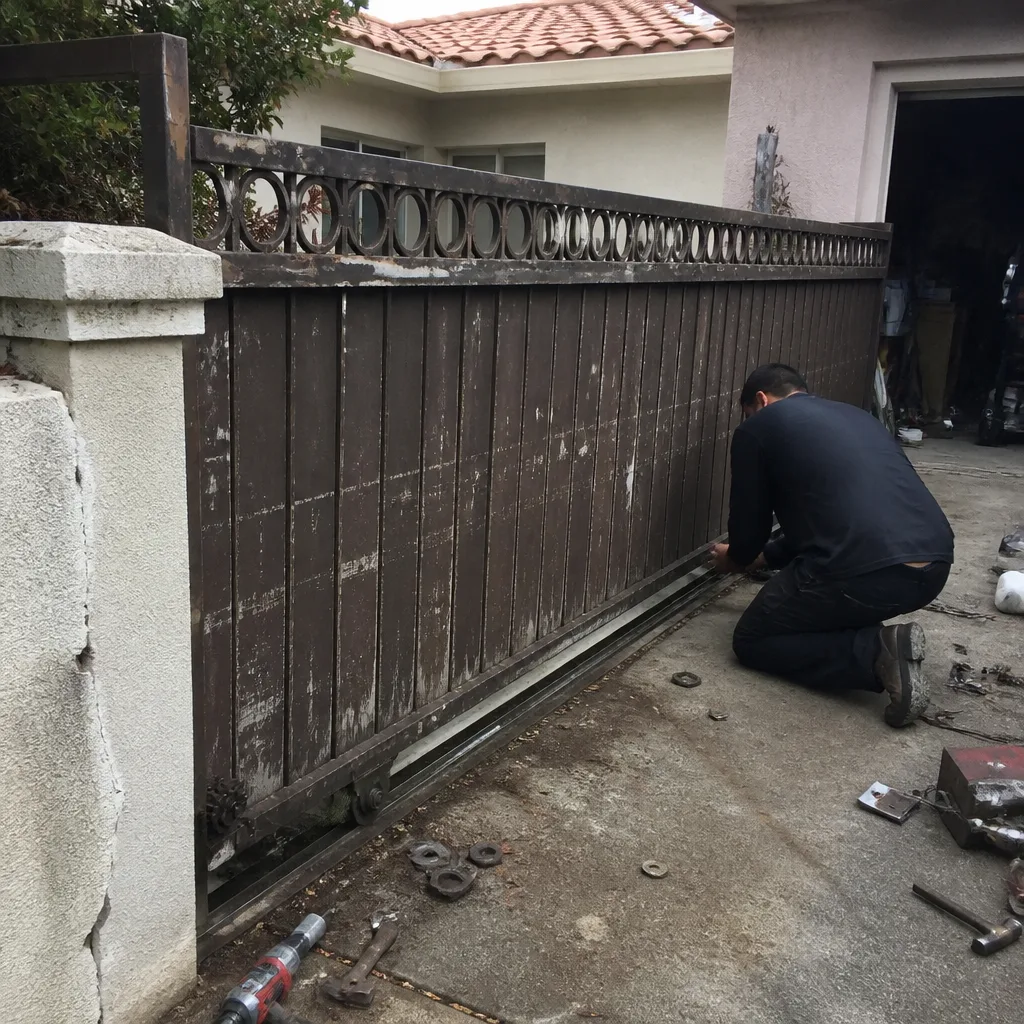 Before
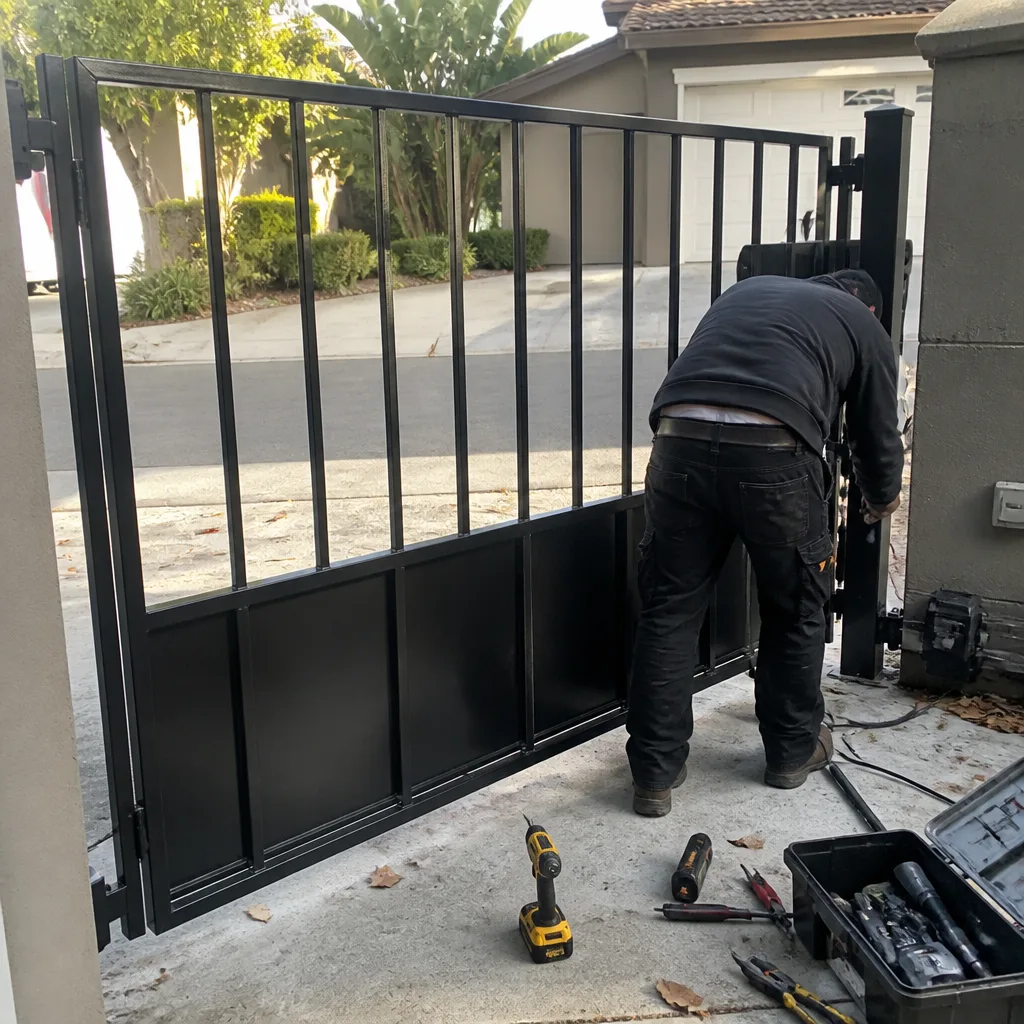 After
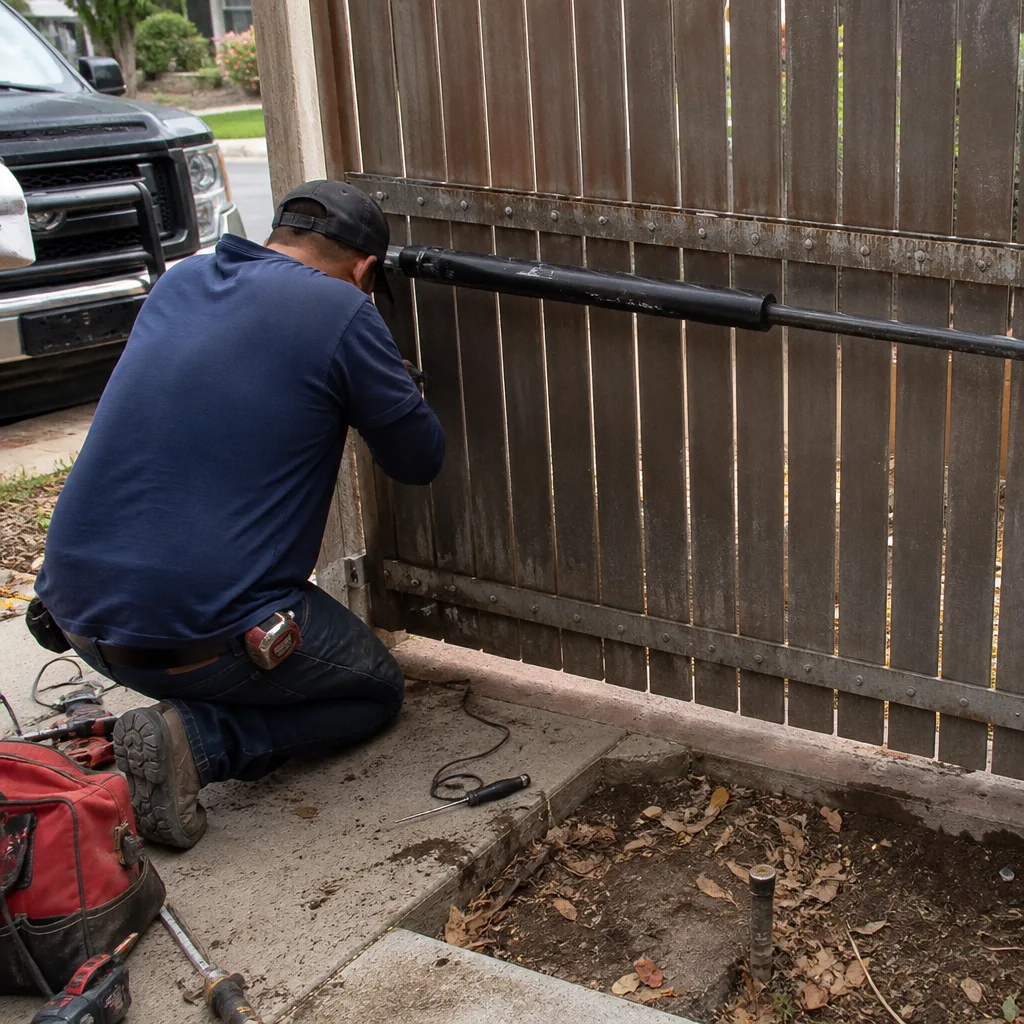 Before
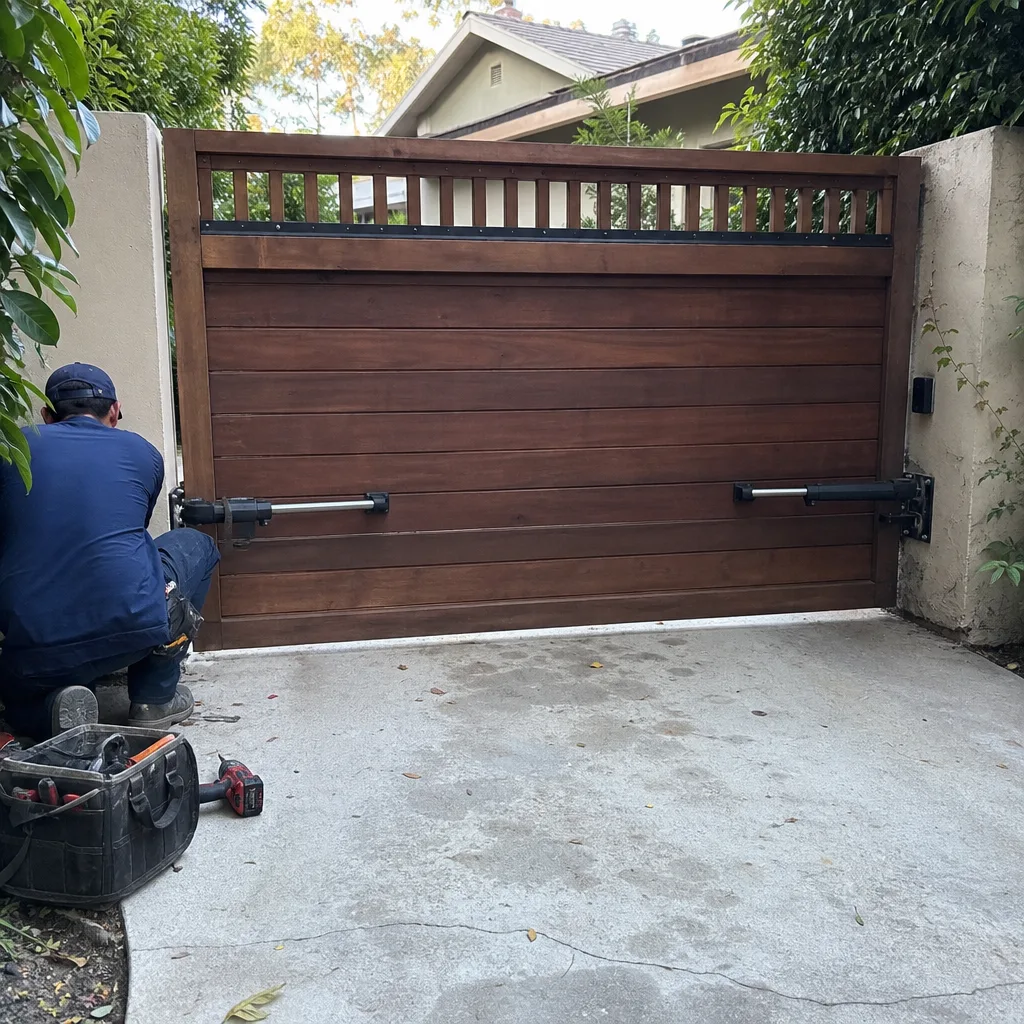 After
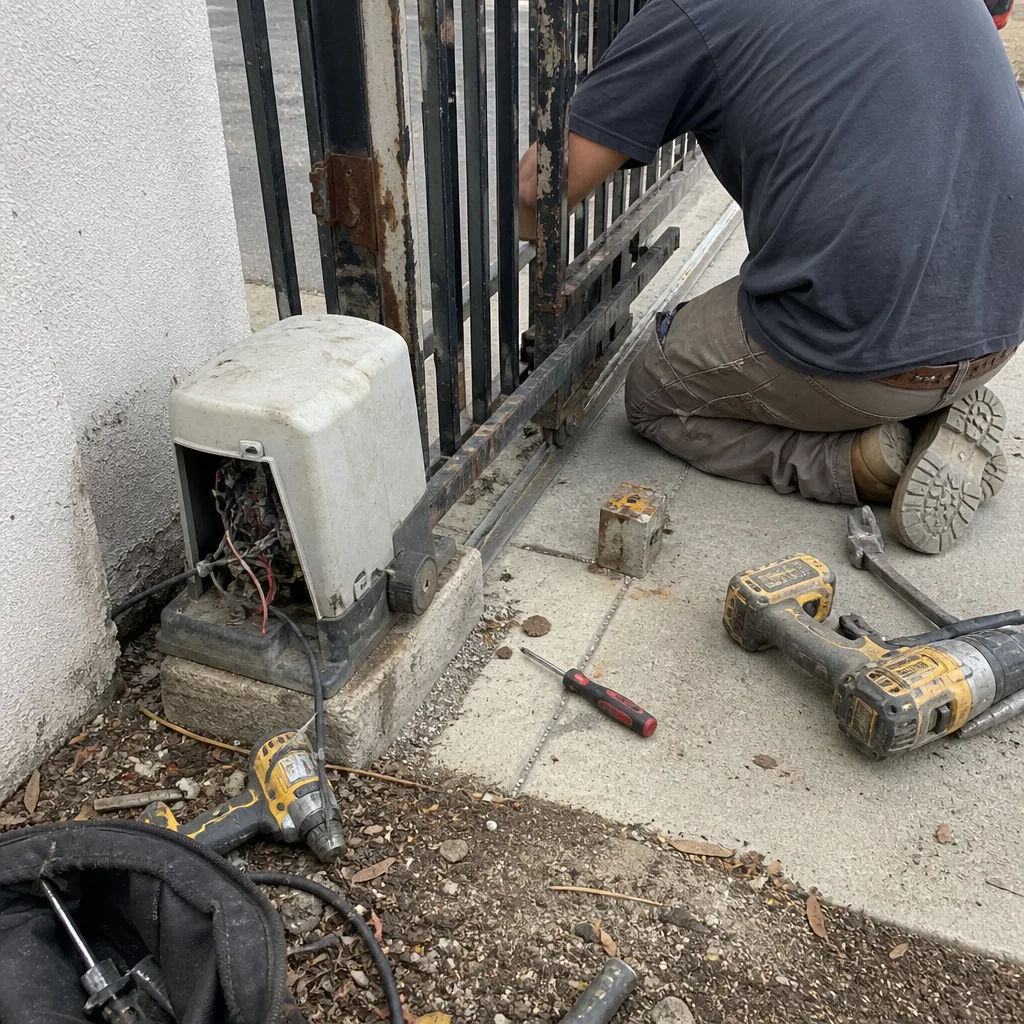 Before
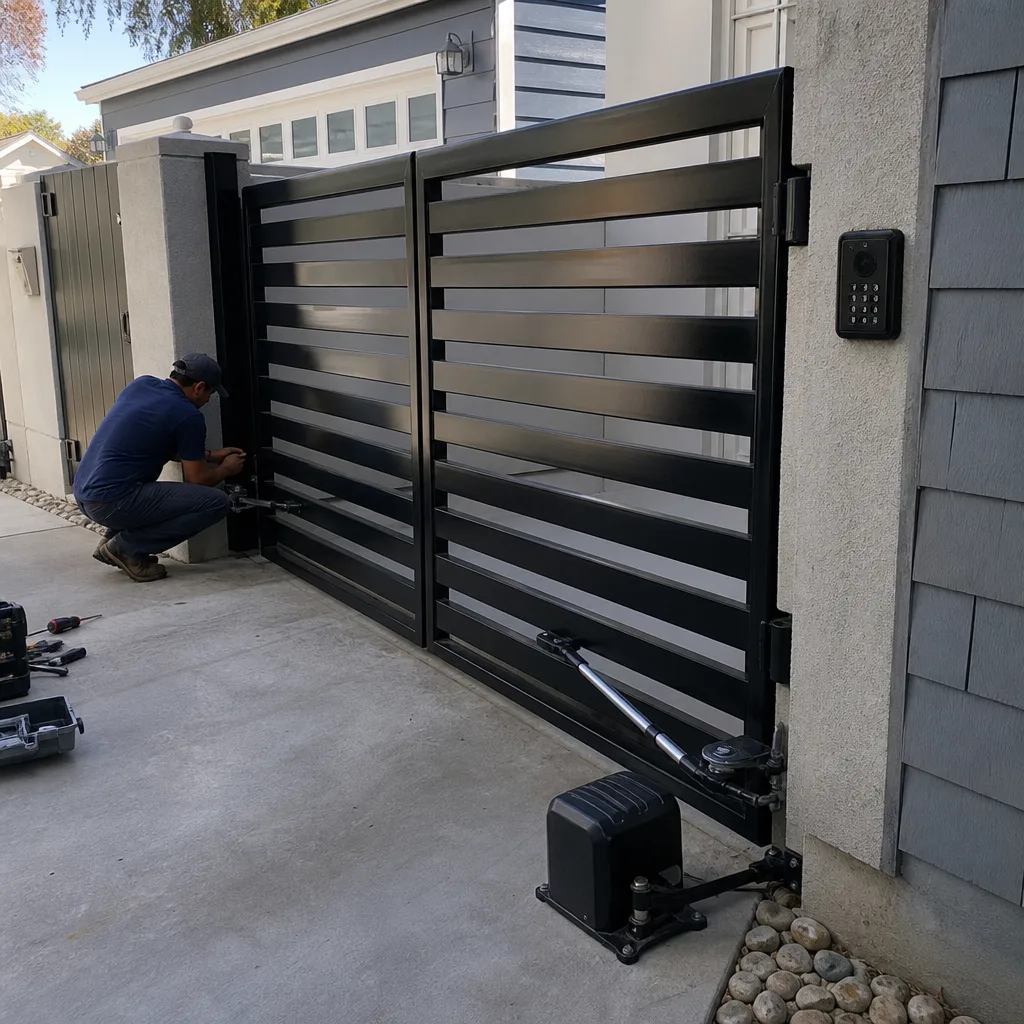 After